

Therapy for Veterans in San Diego
In-person anxiety therapy in San Diego, California.
Online therapy throughout California, Indiana, and Ohio.
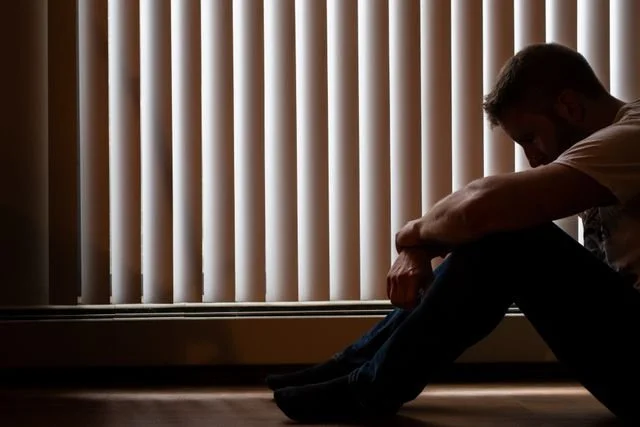
Tired Of Feeling Unsafe Even When You’re Not In Danger?
If you’re a military veteran, aspects of your training and military service have likely caused you to stay constantly “on” and living on high alert at all times. As a result, you might find it difficult to relax and feel safe, leading to ongoing feelings of anxiety, agitation, and overwhelm. It’s possible the stress has boiled over, now seeping into every aspect of life, including your relationships, work performance, and overall wellbeing.
You’re probably already familiar with the impacts of trauma and Post-Traumatic Stress Disorder (PTSD), but this isn’t just about flashbacks, nightmares, and hypervigilance. It’s about feeling like you don’t know how to cope.
What does this look like for you?
Your sleep is impacted. Whether you experience sleep disruptions or just never feel rested, you go through each day running on empty.
You’re on edge all the time. Always at the ready for problem-solving or creating a defensive strategy, you can’t just relax; it’s exhausting.
Relationships and social situations often feel like too much. You have trouble trusting or connecting with people—especially with those who don’t have a military background—and it’s often easier to just shut down or withdraw.
You numb your feelings. Self-medicating with substances is one of the only ways you can quiet the loop of anxious and self-critical thoughts, and it may also offer relief from physical pain.
You also numb or distract yourself with work by pouring yourself into it. Like many veterans, you may be an entrepreneur or “self-starter” with a lot of responsibility and high standards for yourself. Work is one area where you do feel in control, but you still feel like you always have to prove that you are enough.
As a therapist and fellow veteran myself, I get it—and I know that therapy may feel like just another thing to add to an already full plate. But I want to help you see how the counseling process makes room for new skills and patterns as you learn to let go of old wounds.
Have a question or want to schedule a session? Reach out!
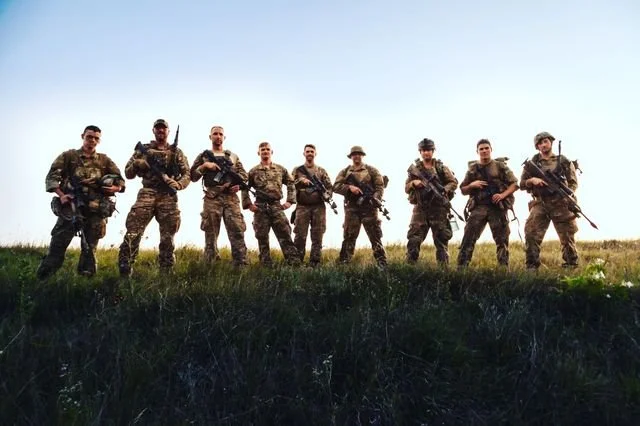
Helm And Harbor Counseling Works With Veterans In Therapy To Heal The Effects Of Chronic Stress And Trauma
My counseling approach works because it’s informed by both my experience as a military veteran and evidence-based psychotherapy methods that meaningfully address root causes. Common treatments in therapy for veterans include:
Eye Movement Desensitization and Reprocessing (EMDR) – highly effective therapy that targets stored trauma in the body and helps you heal at the root, instead of just learning how to cope with symptoms.
Acceptance and Commitment Therapy (ACT) – a behavioral counseling method that helps connect your feelings, thoughts, and actions in a way that aligns with your values.
Ketamine-Assisted Psychotherapy (KAP) – for more severe or treatment-resistant cases, KAP is a good tool for reducing symptoms related to trauma, depression, anxiety, and substance use.
Cognitive Behavioral Therapy (CBT) for Insomnia – sleep challenges, CBT-I helps retrain your brain and body so that you can get more restful and restorative sleep.
Communication tools for relationship strain – through the process of better understanding your needs, you will learn how to verbalize feelings and implement healthy, affirming boundaries with your partner and family.
With an individualized approach to therapy, you can get to know yourself and your patterns better, ultimately fostering deeper connection, awareness, and healing.
Unhealthy Coping Strategies Often Get Normalized In The Military
As veterans, we come from a culture that encourages stoicism and self-reliance, sometimes at the cost of our mental and emotional wellbeing. Because we’re trained to compartmentalize difficult emotions—rather than actually process them—we can develop patterns that may be effective for military service, deployments, combat, and trauma, but not so effective for the reality of everyday civilian life. Especially when we miss the tight-knit camaraderie that comes with active service, it can be very hard to adjust to life on the other side.
It’s okay to ask for help, and in fact, it may save your life. The statistics regarding PTSD and substance use in active-duty military soldiers and veterans are alarming, but these issues are treatable with therapy and other interventions. Let’s work together to get to the root of your symptoms so that you can meaningfully heal.

Imagine a life where…
…you can react to stress or disruptions without panicking, shutting down, or blowing up.
…shame, guilt, and self-blame are not the basis of your inner monologue.
…trusting people comes more naturally than pulling away.
…sleep comes easily and feels restorative.
…you don’t need a drink or to “numb out” to get through the day.
…a sense of calm is your baseline.
…you’re in control of your reactions and emotions.
The intensity, pain, and sacrifice you experienced during your time serving are all very real—but they don’t have to define you forever. Therapy for veterans is designed to nurture a deeper sense of healing and presence in your life, so you no longer feel so weighed down by the past.
Common Questions Veterans Have When Considering Therapy…
-
No. The therapy process is not about reliving or retelling every detail of your experience—especially when EMDR is used, as it is not therapy that centers verbal processing. Rather, the EMDR process begins with grounding and stabilization so that you feel prepared to go into the deeper work of bilateral stimulation, which is the aspect of treatment that allows your brain to reprocess and desensitize you to difficult memories.
Many veterans are relieved to hear that it’s not a requirement to tell their story over and over in counseling. You set the pace of therapy all the way through, and you will never be forced to go into extensive detail about difficult experiences.
-
One of the reasons so many veterans seek out my counseling services is because I’m a veteran myself. With me, you can trust that I “get it” and that you won’t have to explain things like rank structure, deployment cycles, or every acronym to me. In essence, you won’t have to “translate” military culture in our work together.
I am proud to operate a veteran-owned therapy practice, devoting the majority of my caseload to veterans, entrepreneurs, healthcare workers, and First Responders.
-
First and foremost, it is not on you if therapy hasn’t worked for you in the past. That usually just means the approach wasn’t right. This is especially common among veterans who don’t find meaningful relief from symptoms of trauma and PTSD with talk therapy alone.
My approach is different because it relies heavily on EMDR for trauma-specific issues. EMDR actually gets to the heart of the matter—reprocessing the memory itself instead of talking around it or just learning how to cope. And because counseling is always individualized to each client’s specific needs and goals, I will incorporate other tools as needed.
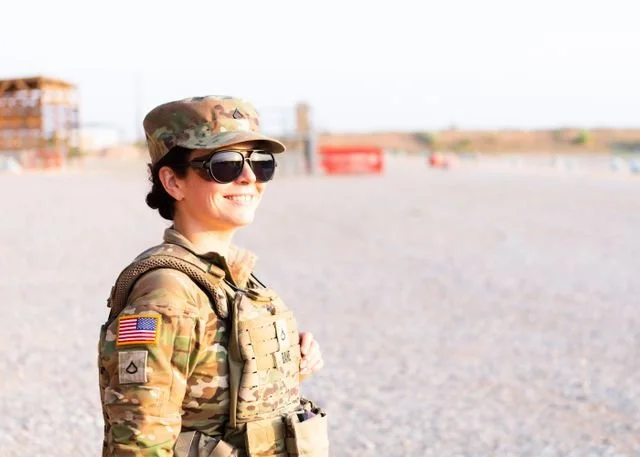
Your Coping Strategies Have Gotten You This Far, But It’s Time For New Patterns And Possibilities
As a therapist, I use CBT, EMDR, and other therapy approaches to help veterans overcome the disruptive, unhealthy, and unfulfilling patterns that have resulted from trauma and PTSD.
Therapists That Can Help

Alexa Grossman
LCSW, LCAC, ERPSCC
Recent Blog Posts
Therapy for Veterans
in San Diego
2924 Emerson St Ste 209
San Diego, CA 92106