
When Leaving the Military Feels Like Losing Part of Yourself
Leaving the military can be a major life transition. Even when you're ready to move on, you may feel like you're leaving a part of yourself behind. The structure, routines, relationships, responsibilities, and sense of purpose you had may have shaped your understanding of yourself.
You may also miss having a role that felt recognizable, especially when civilian life doesn't provide the same language or expectations. Your military identity may have been connected to nearly every part of your daily life, so changing that identity can bring uncertainty about what comes next.
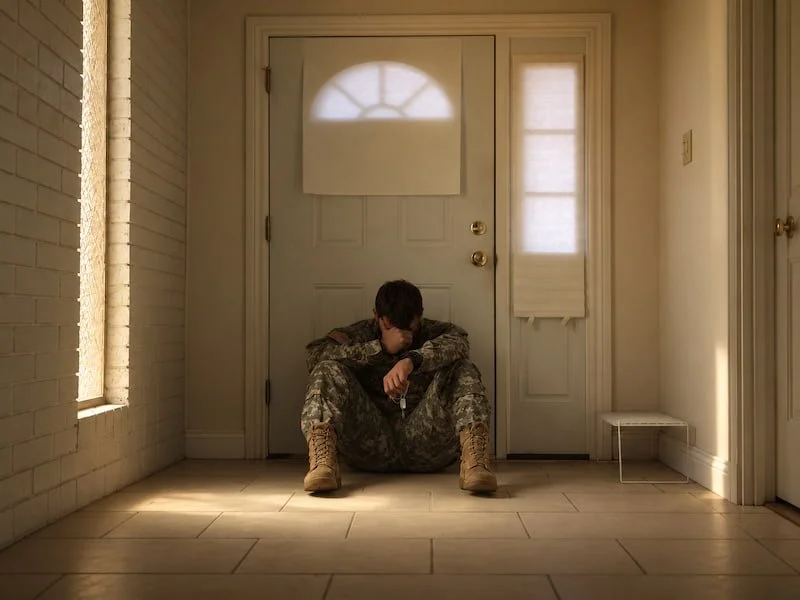
When Your Identity Changes
Military service provides a strong sense of belonging and purpose. You may have had a clear role, specific responsibilities, and a community that understood experiences you didn't have to explain. After leaving, that familiar role may no longer exist in the same way, and you may wonder who you are now.
You might also feel disconnected from people who haven't shared similar experiences or struggle to explain why the transition feels so significant. Losing that familiar identity doesn't mean you've lost everything you've gained. Your discipline, resilience, leadership, adaptability, and other skills can continue to shape who you are.
Adjusting to a Different Routine
Military life provides structure through schedules, expectations, responsibilities, and systems that organize your day. Civilian life can feel much less predictable by comparison. You may struggle with having fewer external expectations or feel uncomfortable when your days don't have the same purpose.
Creating new routines can provide stability while giving you room to decide what you want your life to look like now. Simple habits, consistent sleep, exercise, time with people you trust, and planned activities can help you create structure that fits your current life. You can set goals, establish boundaries around work, and make room for activities that give your days a sense of direction and connection.
Grieving What You Left Behind
You don't have to regret leaving the military to grieve your time in it. It's common to miss your friends, camaraderie, sense of purpose, or even parts of the routine that once felt exhausting. You may also experience complicated emotions about your decision. Relief, sadness, excitement, anger, pride, and uncertainty can exist at the same time. Giving yourself permission to experience those emotions can make the transition easier to navigate.
Finding Purpose Beyond Service
One of the hardest questions after leaving may be, "What do I do now?" Without the responsibilities that once defined your days, finding new sources of meaning can take time. Start by considering what matters to you outside of your military role. Your life after service might involve a career, relationships, hobbies, education, volunteering, or simply creating a lifestyle that feels more aligned with who you are today.
You don't have to recreate your military identity. It's possible to build something new while carrying forward the qualities and experiences that still matter to you.
You Don't Have to Figure It Out Alone
Therapy can provide a space to process the emotions that come with leaving military service. As a client, you can explore changes in identity, purpose, relationships, routines, and expectations without judgment. Therapy can also help you recognize the strengths you've developed and consider how those strengths can support your future.
You don't have to choose between honoring who you were and becoming someone new. Leaving the military can feel like losing part of yourself, but it can also create room to discover parts of yourself that didn't have space to grow before.
If you're struggling with your identity or adjusting to life after military service, reach out today. Therapy for veterans can give you space to process this transition with guidance and support.