
Struggling After Service? Understanding Moral Injury and Emotional Distress
Distress after service doesn't always trace back to one frightening moment. For many service members and veterans, it comes from an alarm system that never switched off, from a betrayal no one acknowledged, or from both at once, and knowing which one is driving things changes what actually helps.
Put simply, post-traumatic stress disorder (PTSD) lives mostly in your body's alarm system, while moral injury lives in your conscience and your trust. Neither requires combat.
Telling Them Apart in Daily Life
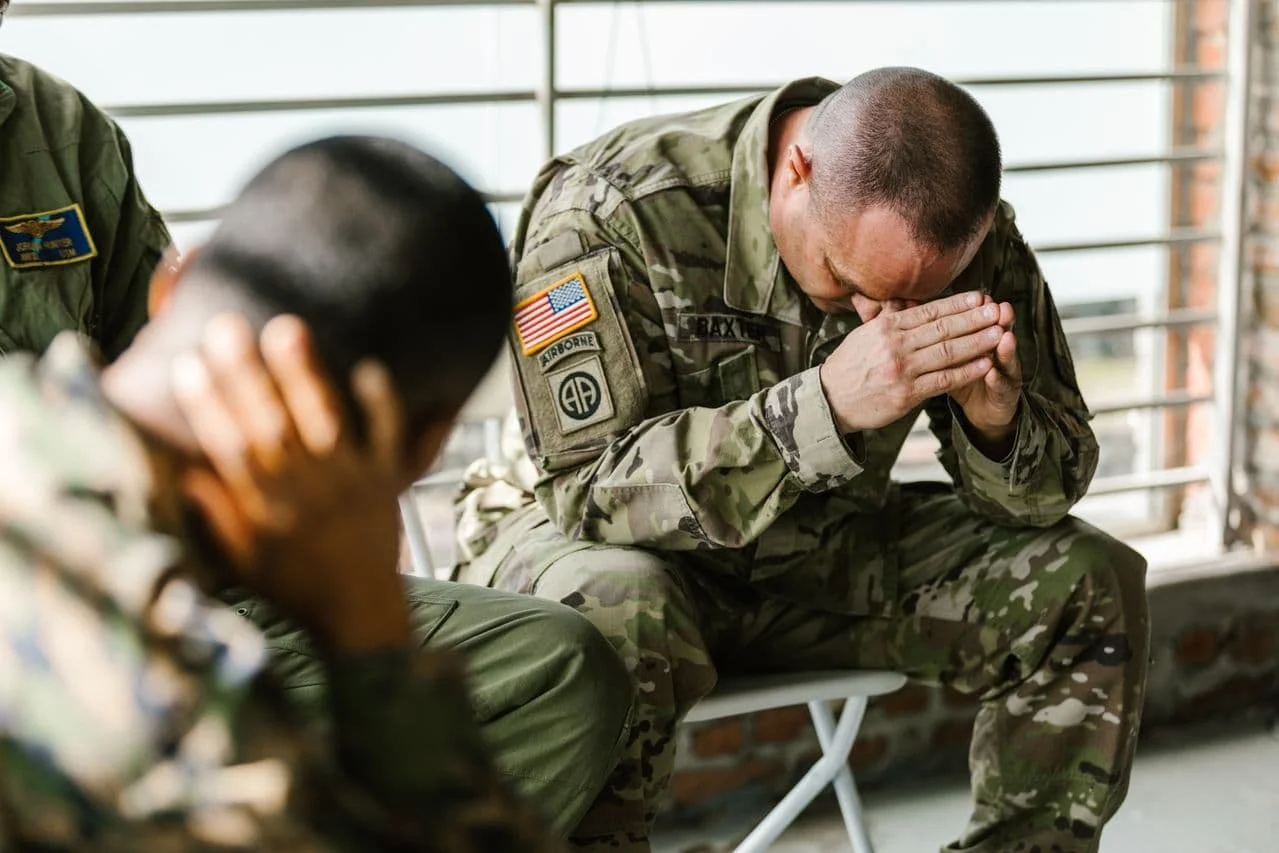
Start with what wakes you up at night. If it's a jolt, a pounding heart, and a sense that something is about to happen, that points toward PTSD. If it's a long internal argument about who you are, or about what someone else did to you, that points toward moral injury.
Avoidance looks different too. With PTSD, you steer around sounds, crowds, smells, or anything that sets off the alarm. With moral injury, you might avoid old friends from your unit, stay away from anything that asks you to feel proud, or dodge your own reflection. And then there's forgiveness. Some people can't calm down, and some can't forgive, either themselves or someone who should have protected them.
When the Wound Comes From Inside the Institution
Moral injury doesn't only happen downrange. Military sexual trauma is one of the clearest examples, especially when you reported it and were doubted, reassigned, or quietly punished while the person who harmed you kept their career. The same wound can come from being ordered into something you knew was wrong, or from watching a chain of command close ranks around the wrong person.
Betrayal by people who were supposed to have your back lands differently than danger from an enemy. Fear tends to ease once you're safe. Trust in your unit, your leaders, and sometimes your own judgment is much harder to rebuild. Organizational stressors can do similar damage over time: toxic leadership, relentless tempo, or a separation that felt like being discarded after you gave years of your life.
Why Feeling Calmer Isn't Always Feeling at Peace
Treatment aimed at the alarm system, such as eye movement desensitization and reprocessing (EMDR), can ease nightmares, startle responses, and the grip of specific memories, and that relief is real. Still, some people finish that work sleeping better and yet feel that something is unsettled.
What tends to be missing is room for the moral questions that a calmer nervous system can't answer on its own, like what was actually yours to carry, what belonged to the people above you, and what to do with anger at an institution you once believed in. Those questions need to be spoken, weighed, and sorted rather than soothed away, and they often need someone who won't rush you toward a tidy conclusion.
What Repair Can Look Like
Repair rarely arrives as one big moment. Sometimes it means making amends where that's possible, or writing the letter you may never send. Sometimes it means returning to the values that drew you to serve, such as loyalty, protection, or competence, and deciding how to live by them now, outside the uniform or inside a new role. That kind of values work is central to acceptance and commitment therapy (ACT).
It also means sorting responsibility accurately, so you stop absorbing blame that belongs to a person, a policy, or a system. And it means finding people who understand. That might be other service members who've lived something similar, or a therapist who knows military culture well enough that you don't have to translate. Anger at an institution can be legitimate, and good therapy makes space for it rather than pushing you to just let it go.
Taking the Next Step
Trauma counseling can give you time and space to sort out what is fear, what is conscience, and what is betrayal, and to work on each in the way that fits. Reach out today to schedule a consultation.