
For many veterans, returning home does not mean leaving combat behind. While uniforms come off and routines change, the nervous system may still be operating as if danger is just around the corner. Nightmares, hypervigilance, irritability, emotional numbness, and intrusive memories are common experiences for veterans living with post-traumatic stress disorder (PTSD).
PTSD is not a sign of weakness. It is a survival response that became stuck. Let’s learn more about how EMDR can support veterans struggling with PTSD.
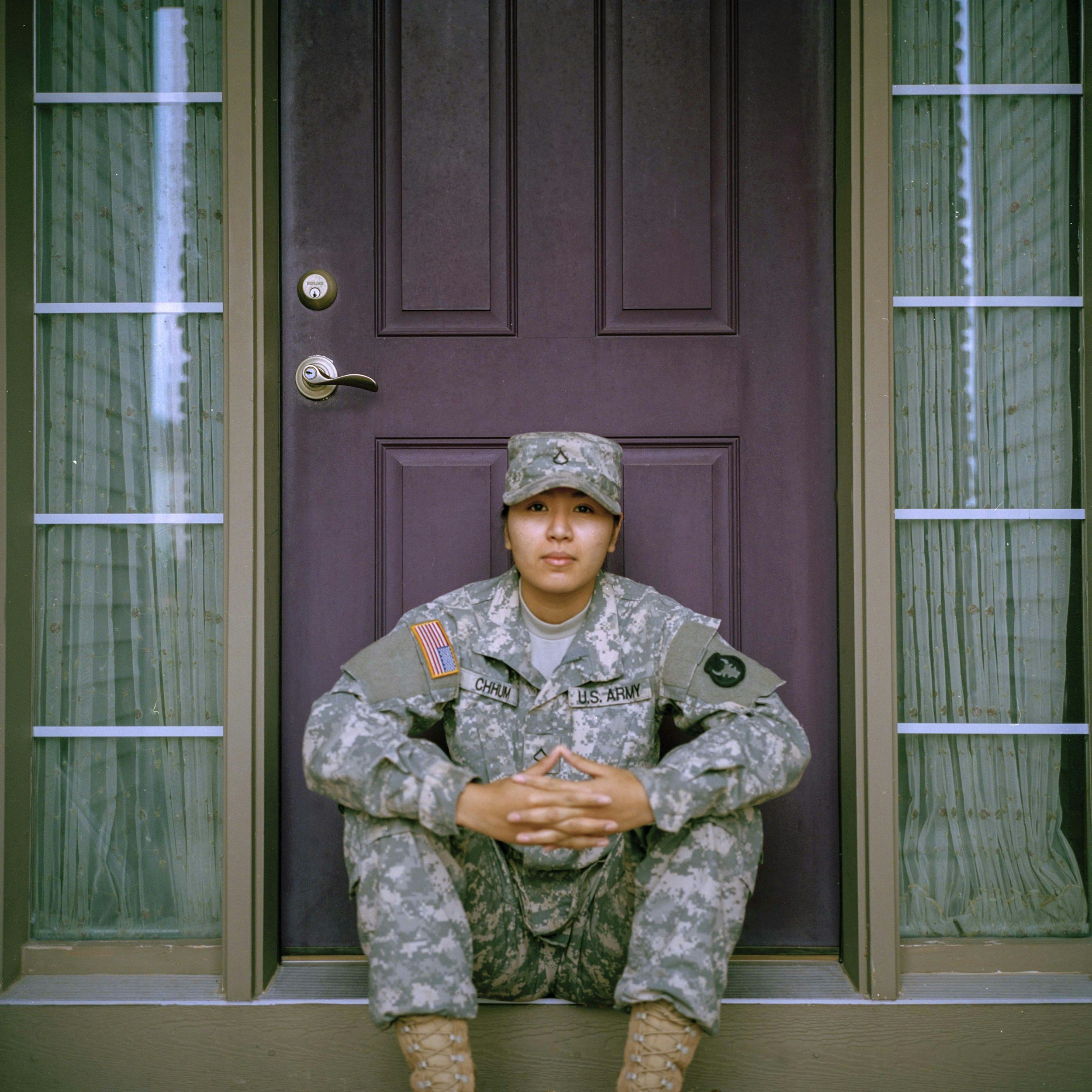
Understanding PTSD in Veterans
Post-traumatic stress disorder can develop after exposure to life-threatening events, combat, military sexual trauma, or repeated high-stress deployments. PTSD symptoms include:
Intrusive memories
Flashbacks
Avoidance of reminders
Negative shifts in mood or thinking
Heightened startle response
Sleep disturbances
For veterans, PTSD can also complicate reintegration into civilian life. Relationships may feel strained, crowded environments can feel overwhelming, and emotional closeness may feel unsafe.
What Is EMDR Therapy?
Eye Movement Desensitization and Reprocessing (EMDR) is based on the idea that traumatic memories can become stuck in the nervous system, stored in a way that keeps them emotionally charged and easily triggered.
Unlike traditional talk therapy, EMDR does not require clients to repeatedly describe traumatic events in detail. It uses bilateral stimulation, often guided eye movements, tapping, or auditory tones, while the client briefly focuses on aspects of the traumatic memory. This process helps the brain reprocess the memory, so it becomes less emotionally overwhelming.
How Trauma Affects the Brain
Trauma can disrupt communication between key areas of the brain. The amygdala, responsible for detecting threats, becomes hyperactive. The prefrontal cortex, responsible for reasoning and impulse control, becomes less active. And the hippocampus, involved in memory processing, may struggle to properly organize traumatic experiences.
In combat or high-risk situations, this heightened response keeps service members alert and ready to act. But when those responses continue long after the threat is gone, daily life can feel exhausting and unpredictable.
Why EMDR Can Be Especially Helpful for Veterans
Targets the Root Memory
Veterans often carry specific traumatic moments, such as ambushes, explosions, loss of fellow service members, or split-second decisions made under pressure. EMDR focuses directly on these memories rather than only addressing surface symptoms. By reprocessing the memory, emotional intensity decreases. The event becomes something that happened, not something that is still happening internally.
Reduces Hyperarousal
Many veterans live in a near-constant state of hypervigilance. EMDR supports nervous system regulation by helping the brain distinguish between past danger and present safety. Over time, veterans may notice:
Fewer flashbacks
Decreased startle response
Improved sleep
Reduced irritability
Addresses Guilt and Moral Injury
Beyond fear-based trauma, many veterans struggle with guilt, shame, or internal conflict related to actions taken or witnessed during service. EMDR can help process not only what happened, but the negative beliefs attached to those experiences. As memories are reprocessed, negative beliefs can shift toward more balanced perspectives.
Doesn’t Require Verbal Retelling
Some veterans hesitate to seek therapy because they don’t want to relive or verbally recount traumatic events in detail. EMDR allows processing without prolonged storytelling. This can make treatment feel more accessible and less overwhelming.

What EMDR Looks Like
The therapist ensures that veterans have grounding tools and emotional regulation skills before trauma processing begins. Safety and pacing are central to the process. EMDR therapy follows an eight-phase protocol:
History taking
Preparation
Assessment
Desensitization
Installation
Body scan
Closure
Reevaluation
Research and Effectiveness
EMDR is recognized as an evidence-based treatment for PTSD by multiple organizations. Research consistently shows that EMDR can significantly reduce PTSD symptoms. While every veteran’s experience is unique, many report that EMDR helps them feel less triggered, more emotionally present, and better able to engage in daily life.

Moving Forward
Military service often demands strength, endurance, and emotional suppression. Healing requires a different kind of strength: the willingness to process what the nervous system has been carrying. Seeking treatment can be one of the most powerful acts of resilience.
If you or a veteran you love is struggling with intrusive memories, emotional numbness, or hypervigilance, EMDR therapy may offer a path forward. With the right support, traumatic memories can lose their grip, and life beyond survival mode becomes possible.